Rocketic
Why Rocketic exists
The company behind Concord — and the story of how a day-2 operator problem became a product.
Why we started here
Every infrastructure team eventually meets the same moment: the primary database needs to move, and the only tools in reach are a terminal, a wiki page written by someone who left, and a dashboard that can watch but not act. That gap — between seeing a problem and safely acting on it — is where incidents get expensive. Rocketic exists to close that gap, one operator workflow at a time, instead of shipping a broad platform nobody fully trusts.
A solo-founder company, on purpose
Rocketic is not a holding company with a portfolio of half-finished products. It's one founder and a small team who would rather ship a single tool operators rely on during a real incident than announce a roadmap of five. That constraint shapes everything: fewer promises, more testing against real failure scenarios, and no feature that exists only to fill a comparison table.
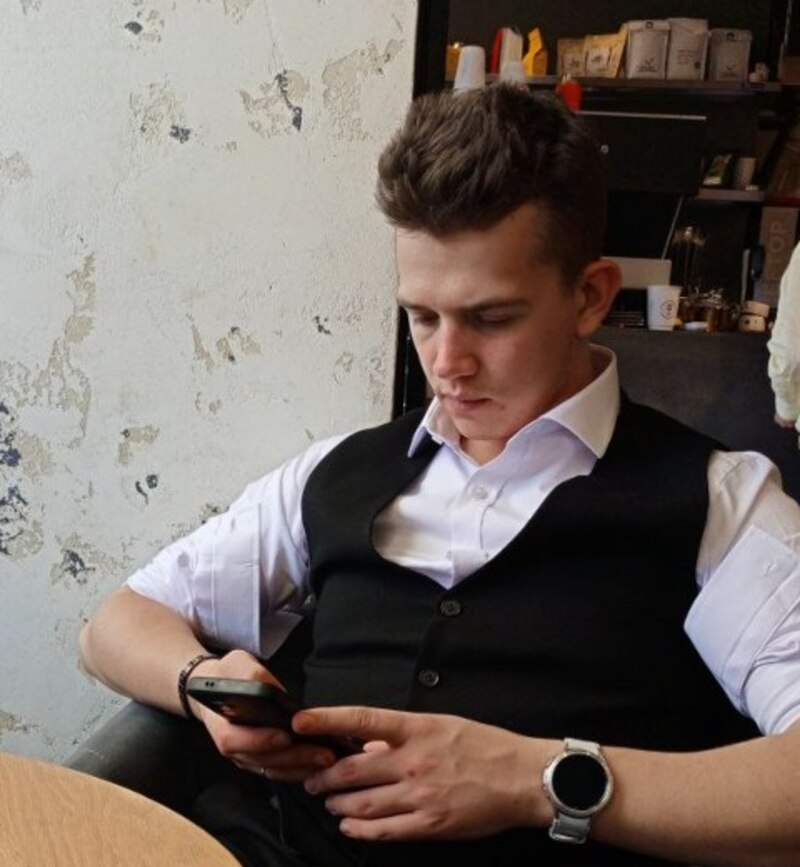
Founder & CEO
Igor Sorokin
Founder & CEO, Rocketic
Igor Sorokin founded Rocketic to build the kind of operator-grade tooling he'd want to trust during his own incidents — he writes the code, ships every release, and talks to early customers directly. Concord, the company's first product, grew out of watching Patroni PostgreSQL teams stitch together terminals, wiki checklists, and watch-only dashboards during a switchover, and turning that into a guarded, evidence-driven cockpit instead. Rocketic's compliance stance follows the same principle as the product itself: intent over theatre — for customers in Russia, that means an honest commitment to RF-hosted personal data under 152-FZ, stated plainly, without unearned certification claims. Every decision on this site, from the roadmap to the compliance page, is one he stands behind personally.
Email the founder — hello@rocketic.ioHow Concord came to be
Concord started from a specific, recurring pain: Patroni PostgreSQL clusters are excellent at staying highly available and terrible at being observed and operated safely in one place. Teams stitched together patronictl, SSH tunnels, and Grafana panels that only watch. We built Concord to be the missing middle layer — see the estate, decide with live evidence, execute behind guardrails, and keep an audit trail — as a native Mac app an operator actually opens during an incident, not a dashboard they check after the fact.
How we build
Trust before scale
A feature ships when it's safe to use during a real incident, not when it's demo-ready. Community stays a genuinely useful, free tool for small estates — trust is earned before any hard paywall.
Evidence over vibes
Every guarded action — switchover, pause, restart — sits behind live evidence and a typed confirmation, never a single click taken on faith.
Honesty over roadmap theatre
We say what's live today and label everything else as roadmap. We don't promise certifications, dates, or parity we haven't earned.
Where we're going
The arc is wedge, then platform, then suite: Patroni Safe Ops on the Mac today, a multi-connect cockpit spanning SSH and Kubernetes already shipping, and a multi-engine suite (Percona Mongo, Redis) plus team governance as the honest next horizon — pursued only once the current layer has earned operators' trust.